
What Maintenance Is Required for Automatic Spray Guns to Ensure Optimal Performance?
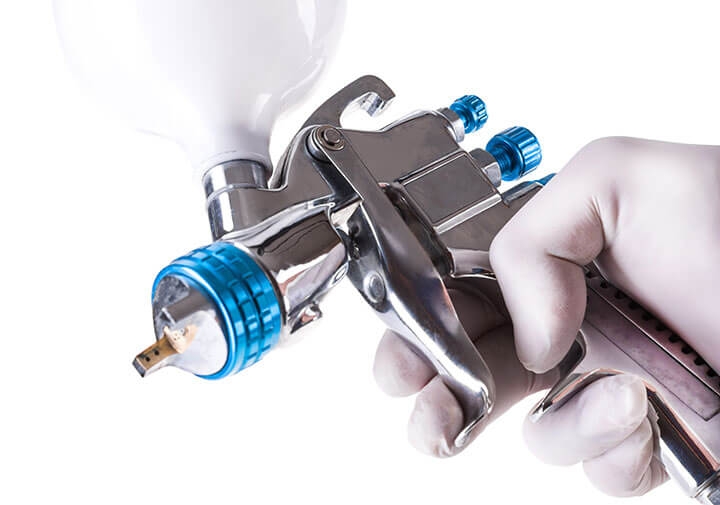

In modern manufacturing, whether in automotive, electronics, furniture, or metal finishing, coating consistency and uptime directly impact profitability. For procurement managers and plant operators, investing in an automatic paint spray gun is only half the equation. The real ROI depends on how well the equipment is maintained over time.
Poor maintenance leads to unstable atomization, increased defect rates, higher paint consumption, and unexpected downtime, all of which translate into hidden operational costs. This guide provides a practical, factory-level maintenance framework designed to help you extend equipment lifespan, maintain coating quality, and reduce total cost of ownership (TCO).
Why Maintenance Matters for Automatic Spray Guns
An automatic spray gun operates under high precision. Even minor contamination or wear can disrupt:
- Atomization quality (leading to orange peel, uneven coating)
- Transfer efficiency (increasing paint waste)
- Line stability (causing production interruptions)
From an operational perspective, maintenance is not a cost, it’s a performance multiplier.
Daily Cleaning: The Most Critical Step
Why Immediate Cleaning Is Non-Negotiable
After each production cycle, paint residues begin curing inside the gun. If not removed promptly, this leads to:
- Nozzle clogging
- Irregular spray patterns
- Increased maintenance downtime
Recommended Cleaning Procedure
To maintain optimal performance of your automatic paint spray gun, follow this structured process:
- Depressurize and Recover Paint
- Use low air pressure to return remaining paint to the container.
- Disassemble Key Components
- Remove nozzle, and fluid passages where applicable.
- Clean with Compatible Solvent
- Use a soft brush to avoid damaging precision parts.
- Wipe External Surfaces
- Prevent long-term buildup that can affect operation.
Pro Tip: Avoid aggressive solvents that may degrade seals or internal coatings.
Lubrication: Ensuring Smooth Mechanical Performance
Why Lubrication Is Essential
Inside every automatic spray gun, multiple moving parts, needle valves, springs, and triggers, require smooth motion. Without lubrication:
- Friction increases
- Component wear accelerates
- Spray consistency declines
Best Practices
- Apply silicone-free lubricating oil daily
- Focus on designated lubrication points only
- Avoid over-lubrication, which may contaminate paint
Never immerse the entire spray gun in cleaning fluid, this can cause seal deformation and lubrication loss.
Wear Parts Management: Preventing Unexpected Failures
Over time, key components naturally degrade. Ignoring this leads to sudden breakdowns and inconsistent coating results.
Common Wear Parts
| Component | Function | Risk if Worn |
|---|---|---|
| Nozzle | Controls spray pattern | Uneven coating, overspray |
| Needle Valve | Regulates paint flow | Dripping, poor atomization |
| Seals | Maintain airtight operation | Leakage, pressure instability |
| Springs | Control movement responsiveness | Delayed or inconsistent spray |
Replacement Strategy
- Follow manufacturer-recommended intervals
- Track usage cycles in high-volume environments
- Keep critical spare parts in inventory
Procurement Insight: Preventive replacement is significantly cheaper than emergency downtime.
Storage & Downtime Handling
Short-Term Pauses
When pausing production:
- Soak only the spray head in solvent
- Prevent paint from drying inside the nozzle
Long-Term Storage
- Fully clean and dry all components
- Apply light lubrication
- Store in a dust-free environment
Avoid soaking the entire automatic paint spray gun for extended periods, as it may damage seals and internal structures.
Avoiding Physical Damage in Industrial Environments
In automated production lines, mechanical impact is often overlooked.
Key Risks
- Accidental drops during maintenance
- Misalignment in robotic systems
- Collisions with fixtures
Prevention Measures
- Install protective mounting systems
- Train operators on handling procedures
- Conduct regular alignment checks
Smart Factories Trend: Automated Cleaning Systems
As Industry 4.0 adoption increases, many manufacturers are integrating:
- Automatic spray gun cleaning machines
- Closed-loop solvent recycling systems
Benefits
- Reduced solvent consumption
- Improved worker safety
- Consistent cleaning quality
- Lower environmental impact
This trend reflects a broader shift toward sustainable and data-driven coating operations.
Maintenance Checklist for Procurement & Operations Teams
Before closing each production cycle, ensure:
- Spray gun is thoroughly cleaned
- Lubrication points are properly maintained
- No visible wear or leakage
- Critical parts are within lifecycle limits
- Equipment is safely stored or staged
This checklist can significantly reduce defect rates and unplanned downtime.
FAQ – Common Questions from Industry Buyers
Q1: How often should an automatic spray gun be cleaned?
A: After every use. Delayed cleaning is the primary cause of nozzle clogging and inconsistent spray patterns.
Q2: What type of lubricant should be used in automatic paint guns?
A: Always use silicone-free lubricants to prevent contamination of coating materials.
Q3: Can I soak the entire spray gun in solvent?
A: No. This may damage seals and reduce the lifespan of internal components.
Q4: How do I know when to replace the nozzle?
A: Signs include uneven spray patterns, increased overspray, or inconsistent coating thickness.
Q5: Is automated cleaning worth the investment?
A: Yes, especially for high-volume production. It improves consistency, reduces labor, and minimizes solvent waste.
Q6: Can I use any solvent to clean my automatic spray gun?
A: No. The solvent must be compatible with the coating material (water-based vs. solvent-based) and must not be so corrosive that it damages the internal O-rings or the gun’s finish. Always refer to the coating's TDS (Technical Data Sheet).
Q7: Why is my spray gun "spitting" at the start of a stroke?
A: This is usually caused by a loose fluid nozzle, a damaged needle seat, or air trapped in the fluid line. Check the tightness of the nozzle and ensure the needle is seating fully.
Choosing the Right Partner for Long-Term Performance
While maintenance plays a critical role, equipment quality and engineering precision are equally important. High-performance manufacturers design automatic spray guns with:
- Durable materials for extended lifespan
- Precision nozzles for consistent atomization
- Easy maintenance structures to reduce downtime
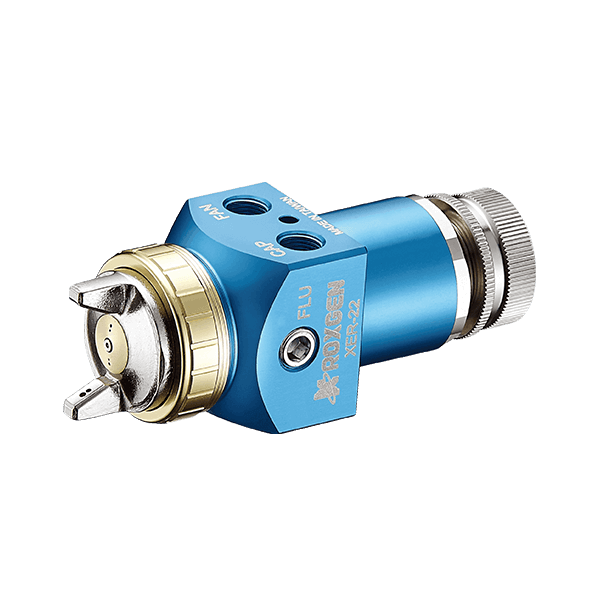
If you're looking to improve coating efficiency and reduce operational risks, explore RANOX’s automatic spray gun solutions.
Related Products
Conclusion: Maintenance as a Competitive Advantage
Consistent maintenance of your automatic paint spray gun is not just about equipment care, it’s about ensuring production stability, reducing waste, and protecting your bottom line.
Companies that implement structured maintenance protocols gain a clear advantage in quality control, cost efficiency, and operational reliability.