
What Advancements in Automatic Spray Gun Technology Are Driving Growth in the Construction Industry?
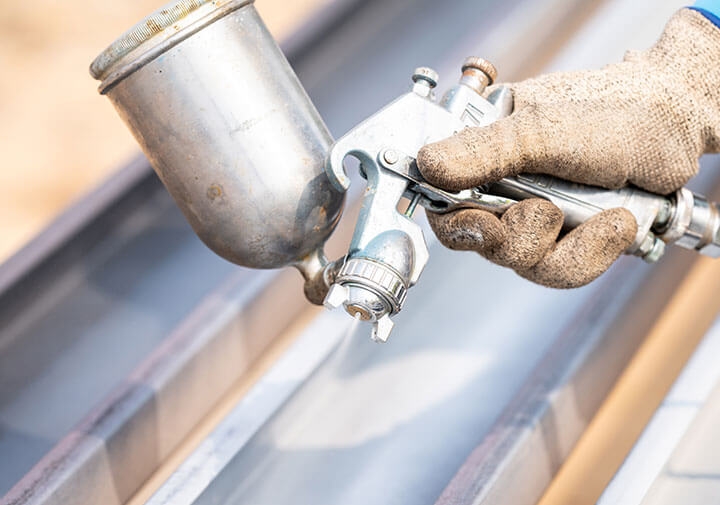

As construction projects continue to demand faster timelines, more consistent coating quality, and better material efficiency, the role of the automatic spray gun has expanded significantly. In both commercial and residential construction, the automatic paint spray gun is no longer viewed as only a finishing tool. It has become part of a broader shift toward higher productivity, better cost control, and more standardized coating performance.
Several technology advancements are driving this growth. These include improved atomization systems, smarter pressure control, more versatile nozzle configurations, ergonomic design upgrades, and greater compatibility with environmentally preferred coatings. For contractors, facility owners, and procurement teams, these improvements matter because they directly affect application speed, coating uniformity, labor efficiency, and total project cost.
In practical terms, modern automatic spray gun systems are helping construction teams handle large surfaces, complex geometries, and demanding coating materials more effectively than traditional manual methods. This article explains the key innovations behind that trend and why automatic paint spray gun technology is becoming increasingly important in the construction industry.
Key Takeaways
- Automatic spray gun technology is improving construction productivity through faster and more consistent coating application.
- HVLP automatic paint spray gun systems help reduce overspray, improve transfer efficiency, and support better finish quality.
- Smarter nozzle and pressure control systems allow construction teams to spray different coating types with greater precision.
- Lightweight, ergonomic, and modular designs reduce operator fatigue and simplify maintenance.
- Support for low-VOC coatings, digital monitoring, and energy-saving features aligns with modern green building requirements.
- For B2B buyers, the main value lies in lower waste, better finish consistency, easier maintenance, and improved project control.
Why Automatic Spray Gun Technology Is Growing in Construction
The growth of the automatic spray gun in construction is being driven by a combination of operational and regulatory factors. Construction firms today face pressure to complete projects faster while maintaining consistent finish quality across larger and more complex surfaces. At the same time, many projects must comply with stricter environmental, health, and material-efficiency standards.
Compared with conventional manual coating methods, an automatic paint spray gun can provide more uniform paint distribution, faster application rates, reduced material waste, lower rework rates, and better repeatability across crews and job sites.
This is especially valuable in applications such as:
- steel structure protection
- wood and panel finishing
- waterproofing layers
- fire-resistant coatings
- large-scale commercial or industrial painting
For project owners and procurement managers, the appeal is not only technical performance. It is also the ability to improve overall jobsite efficiency and reduce variability in final results.
High Volume Low Pressure (HVLP) Systems Are Improving Transfer Efficiency
One of the most influential advancements in automatic paint spray gun technology is the wider adoption of HVLP spray systems. HVLP, or High Volume Low Pressure, uses a high volume of air at lower pressure to atomize coating materials more gently and efficiently.
Why HVLP Matters in Construction Applications
In construction environments, coatings are often applied to surfaces such as drywall, wood, cement board, concrete, and metal framing. These substrates can vary widely in texture and absorbency. A traditional high-pressure spray method may create excessive bounce-back or overspray, especially on rough or porous materials.
An automatic spray gun with HVLP capability offers several practical advantages:
- better transfer efficiency
- reduced overspray
- lower paint consumption
- improved surface coverage
- less contamination of surrounding work areas
Business Impact of HVLP Automatic Spray Gun Systems
For B2B construction users, the advantage is measurable. Higher transfer efficiency means more coating reaches the target surface instead of being lost into the air. This can reduce material waste, lower cleanup time, and improve cost predictability across large-volume projects.
In short, HVLP technology has made the automatic paint spray gun more attractive for contractors seeking both finish quality and operational efficiency.
Smarter Nozzle Design and Pressure Control Are Increasing Precision
Another important driver of growth is the improvement of nozzle engineering and pressure management systems. Modern automatic spray gun equipment is designed to handle a wider range of coatings while maintaining stable spray performance.
Adjustable Nozzles for Different Coating Requirements
Today’s systems often feature interchangeable or adjustable nozzles that allow operators to change:
- spray pattern width
- fluid output
- atomization level
- coating distribution
This flexibility is important in construction materials because different tasks require different spray characteristics. A wide fan pattern may be ideal for broad wall coverage, while a narrower pattern may be better for edges, structural members, or irregular surfaces.
Intelligent Pressure Regulation Improves Finish Consistency
Advanced automatic paint spray gun systems may also include pressure-sensing or digitally controlled regulation features. These help maintain a more stable spray pattern when coating viscosity changes or when the material type varies.
This is useful when applying:
- water-based architectural coatings
- solvent-based protective finishes
- high-build primers
- anti-corrosion coatings
- waterproofing compounds
- fireproofing materials
It enables more precise control of pressure, achieving a smoother and more uniform coating without compromising application speed. This results in fewer coating defects while maintaining excellent coating quality.
Modular Components Simplify Cleaning and Maintenance
Maintenance is another major consideration for procurement teams and contractors. Equipment that is difficult to clean or repair can slow down the project and increase labor cost.
Newer automatic spray gun systems often use modular assemblies that allow faster:
- nozzle replacement
- fluid path cleaning
- seal inspection
- part swapping
This reduces downtime and supports a more efficient maintenance routine. For high-volume contractors, modularity can also extend equipment uptime and lower total cost of ownership.
Compatibility with Low-VOC and Sustainable Coatings Is Expanding Market Demand
Sustainability requirements are playing an increasingly important role in building design and construction material selection. As a result, automatic paint spray gun technology is evolving to support coatings that align with environmental and occupational health standards.
Alignment with Green Building Trends
For developers, owners, and architects, this compatibility matters because it supports:
- environmental compliance
- healthier occupied spaces
- more sustainable material selection
- stronger alignment with green construction standards
This is one reason the automatic paint spray gun is increasingly relevant in commercial buildings, healthcare facilities, educational institutions, and high-spec residential projects.
Digital Monitoring and Smart Features Are Strengthening Quality Control
Another advancement driving adoption is the integration of digital tools and smart monitoring functions into spray application systems.
Real-Time Process Visibility
Some advanced automatic spray gun systems now incorporate sensors, digital interfaces, or connected monitoring tools that can track:
- spray pressure
- material usage
- application rate
- equipment status
- progress by coating stage
For construction managers, this creates better visibility into application performance and resource consumption.
How Automatic Spray Gun Technology Benefits Construction Stakeholders
Different stakeholders value automatic spray gun technology for different reasons.
Benefits for Contractors
Contractors often focus on:
- faster project completion
- reduced overspray
- lower labor intensity
- improved consistency across crews
Benefits for Procurement Teams
Procurement and purchasing professionals are more likely to evaluate:
- equipment durability
- maintenance requirements
- coating compatibility
- operating efficiency
- total lifecycle cost
Benefits for Building Owners and Developers
Owners and developers usually care about:
- finish quality
- project predictability
- compliance with sustainability targets
- long-term coating performance
Because modern automatic paint spray gun systems can address these priorities simultaneously, adoption is increasing across a wide range of construction segments.
Frequently Asked Questions (FAQ)
1. What is an automatic spray gun used for in the construction industry?
An automatic spray gun is used in the construction industry to apply paints, primers, protective coatings, waterproofing materials, and specialty finishes to surfaces such as walls, ceilings, metal structures, wood components, and prefabricated building materials.
2. Why is HVLP important for automatic paint spray gun performance?
HVLP, or High Volume Low Pressure, improves transfer efficiency by helping more coating reach the target surface with less overspray. In construction, this can improve finish quality, reduce material waste, and support more efficient indoor and large-area spraying.
3. Can an automatic spray gun handle different types of coatings?
Yes. Many modern automatic spray gun systems can handle a range of coating materials, including water-based paints, solvent-based coatings, primers, waterproofing products, and some high-viscosity protective coatings. Performance depends on proper nozzle selection, pressure control, and system design.
4. How does an automatic paint spray gun improve construction efficiency?
Automatic spray guns can increase spraying speed, reduce overspray, improve coating uniformity, and lower labor costs. These advantages help complete projects more quickly while maintaining more predictable coating quality.
5. Are automatic spray guns suitable for sustainable construction projects?
In many cases, yes. Newer automatic spray gun technologies are increasingly compatible with low-VOC and water-based coatings commonly specified in green building projects. Some systems also include energy-saving and digital monitoring features that support more efficient material use.
6. What should procurement teams look for when selecting an automatic spray gun?
Procurement teams should evaluate coating compatibility, transfer efficiency, ease of cleaning and maintenance, nozzle flexibility, durability, spare parts availability, and total lifecycle cost.
Conclusion
The growth of automatic spray gun technology in the construction industry is being driven by practical, measurable advancements rather than by a single trend. Improvements in HVLP performance, nozzle precision, pressure control, modular maintenance, sustainable coating compatibility, and digital monitoring are all contributing to wider adoption.
For the construction sector, the value of the automatic paint spray gun lies in its ability to improve transfer efficiency, support consistent finish quality, reduce waste, and strengthen process control. As building projects continue to prioritize productivity, sustainability, and standardization, these systems are likely to remain an important part of modern coating operations.
From a neutral industry perspective, the technology does not replace every manual coating method in all situations. However, for many construction applications, it offers clear advantages that align with current market demands and future project requirements.
Interested in Automatic Spray Gun Solutions?
If you are looking for reliable automatic spray guns for construction, industrial coating, or automated finishing applications, please visit the RANOX Automatic Air Spray Gun product page for more information. For product inquiries, technical support, or OEM/ODM cooperation, please feel free to contact RANOX directly.